

Antique, Old and New Carpets in Zurich

The Characteristics of Turkish carpets

Turkish rugs have been made for centuries, with roots tracing back to the nomadic tribes of Central Asia. Over time, this tradition evolved under the influence of various empires, particularly the Seljuks and Ottomans, turning rug-making into a sophisticated art form. Today, Turkey remains one of the world’s most renowned centres for handcrafted rugs.
Turkish carpets are among the most famous and valued textiles in the world, known for their rich history, intricate design, and exceptional craftmanship. These carpets, also known as Anatolian rugs, have been woven for centuries, with technique passed down through generations.
One of the key characteristics of Turkish carpets is their unique knotting technique, called the Turkish or Ghiordez knot. Unlike the Persian knot, the Turkish knot is symmetrical, making the rugs more durable and giving them a distinctive texture.
The pattern of Turkish carpets is deeply symbolic, often featuring motifs that represent nature, protection, or spiritual beliefs. Common motifs include geometric shapes, floral patterns, and medallions, each carrying a specific meaning. For example, the “ram’s horn” symbolizes strength and power, while the “tree of life” represents immortality.
Turkish carpets also vary by region, with each area having its own style and color palette.
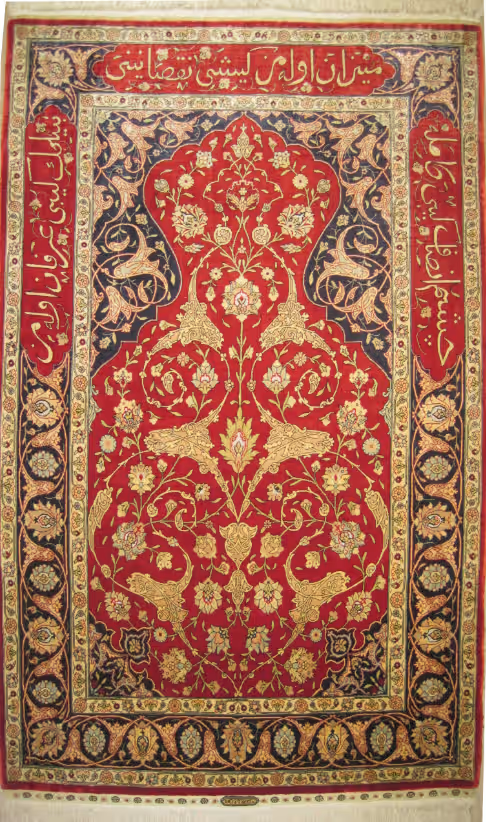
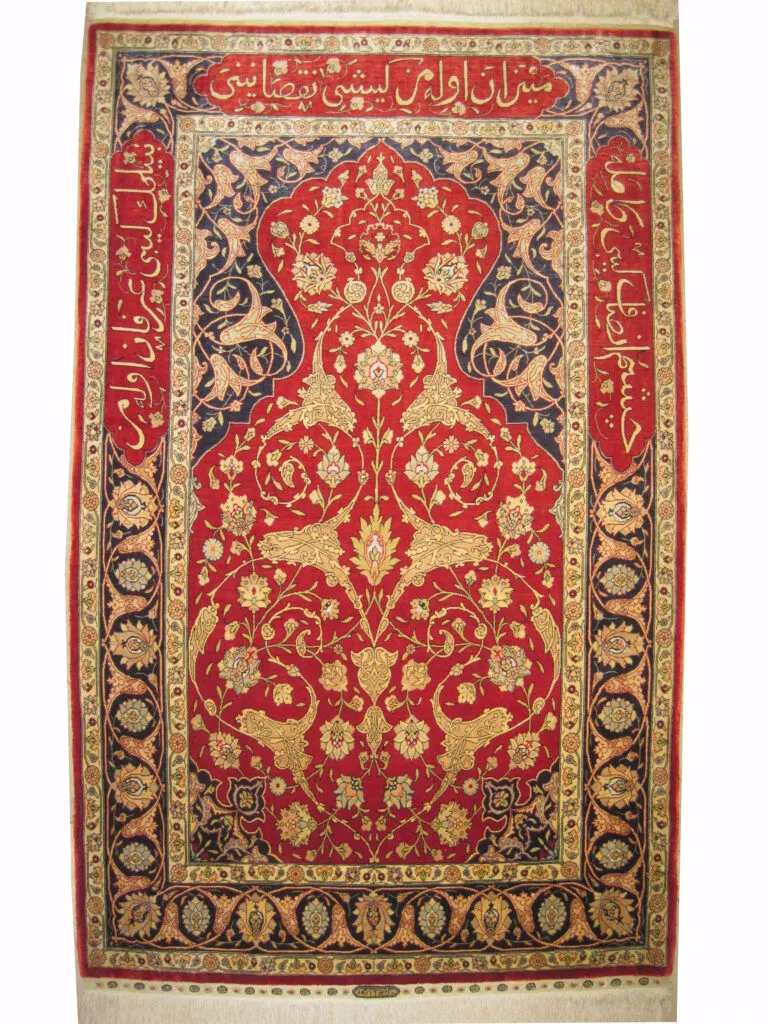
For example: Hereke carpets are famous for their fine silk weaving, gold thread and intricate floral and prayer designs.
Ushak rugs are known for their soft pastel colors and large-scale floral patterns.
Bergama carpets feature bold geometric patterns and rich colors.
Konya rugs are often minimalist, with tribal influences and earthy tones.
Traditional Turkish carpets are made from natural materials like wool, silk and cotton and the dyes are often derived from plants and insects, giving them vibrant and long-lasting colors.
Today, Turkish carpets continue to be highly sought after for their beauty and quality, whether as decorative pieces or cultural artifacts. They are a perfect blend of history, art and functionality, making them a timeless addition to any space.

Turkish rugs have been made for centuries, with roots tracing back to the nomadic tribes of Central Asia. Over time, this tradition evolved under the influence of various empires, particularly the Seljuks and Ottomans, turning rug-making into a sophisticated art form. Today, Turkey remains one of the world’s most renowned centres for handcrafted rugs.


Turkish carpets are among the most famous and valued textiles in the world, known for their rich history, intricate design, and exceptional craftmanship. These carpets, also known as Anatolian rugs, have been woven for centuries, with technique passed down through generations.

One of the key characteristics of Turkish carpets is their unique knotting technique, called the Turkish or Ghiordez knot. Unlike the Persian knot, the Turkish knot is symmetrical, making the rugs more durable and giving them a distinctive texture.

The pattern of Turkish carpets is deeply symbolic, often featuring motifs that represent nature, protection, or spiritual beliefs. Common motifs include geometric shapes, floral patterns, and medallions, each carrying a specific meaning. For example, the “ram’s horn” symbolizes strength and power, while the “tree of life” represents immortality.

Turkish carpets also vary by region, with each area having its own style and color palette.
For example: Hereke carpets are famous for their fine silk weaving, gold thread and intricate floral and prayer designs.
Ushak rugs are known for their soft pastel colors and large-scale floral patterns.
Bergama carpets feature bold geometric patterns and rich colors.

Konya rugs are often minimalist, with tribal influences and earthy tones.
Traditional Turkish carpets are made from natural materials like wool, silk and cotton and the dyes are often derived from plants and insects, giving them vibrant and long-lasting colors.

Today, Turkish carpets continue to be highly sought after for their beauty and quality, whether as decorative pieces or cultural artifacts. They are a perfect blend of history, art and functionality, making them a timeless addition to any space.

Leave a Reply

Your email address will not be published. Required fields are marked *