

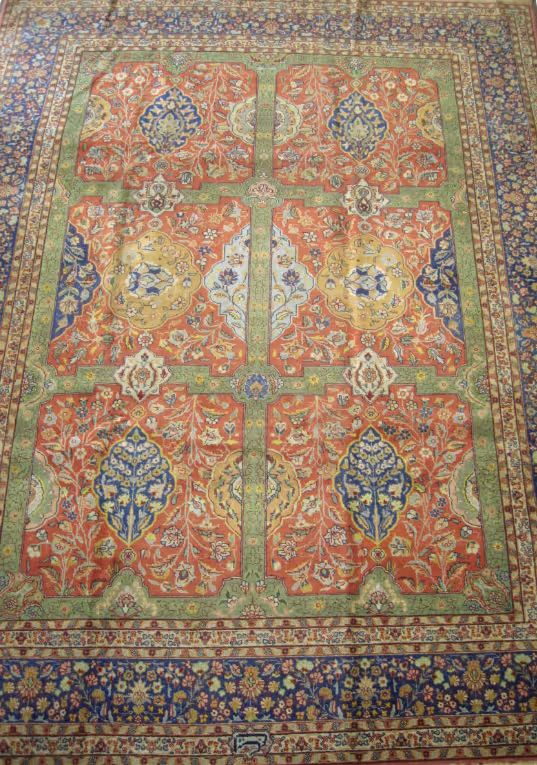
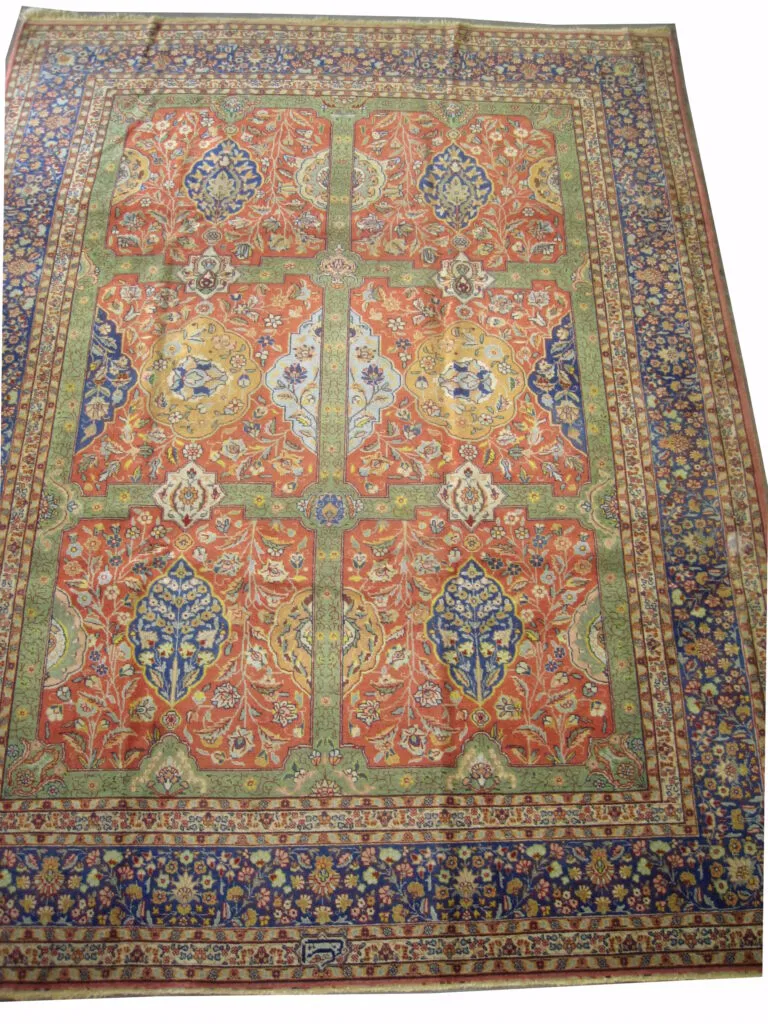
India is a land of vibrant traditions, and its rugs are no exception. Indian rugs—whether hand-knotted in Kashmir, tufted in Jaipur, or woven in Bhadohi—are a perfect blend of artistry, heritage, and functionality. For centuries, they’ve adorned palaces, temples, and homes, bringing warmth and sophistication to interiors around the world.
A Cultural Weave of History: The art of rug-making in India dates back to the 16th century during the Mughal Empire. It was Emperor Akbar who first brought Persian weavers to India, blending Persian techniques with Indian motifs. Over time, Indian weavers developed their own unique styles, rich in symbolism and regional identity.

Diversity in Design: One of the defining features of Indian rugs is their wide range of designs. From intricate floral patterns inspired by Mughal gardens to bold geometric shapes and tribal motifs, there’s something for every aesthetic. Colors tend to be rich and earthy—deep reds, saffron yellows, indigo blues—dyed using natural plant-based pigments.
- Kashmiri rugs: Known for their soft silk and paisley patterns.
- Agra Rugs: The city of Agra, home to the iconic Taj Mahal, began producing rugs in the 16th century during the Mughal Empire. Agra rugs often reflect Persian design traditions blended with Indian aesthetics, a legacy of Mughal court patronage.
- Designs: Floral patterns, vine scrolls, medallions, palmettes, and arabesques are common. Some designs also include lattice work or garden themes.
- Color Palette: Rich and vibrant, featuring deep reds, indigo blues, greens, ivory, and golden yellows. The dyes are typically natural.
- Material: Made of high-quality wool, sometimes with touches of silk. The wool is soft yet durable. Agra rugs are known for their thick, luxurious pile and plush feel underfoot.
Antique Agra rugs are particularly prized by collectors for their balanced design and color harmony.
- Amritsar Rugs: Amritsar, located in the Punjab region of northern India, became a major rug-producing centre during the late 19th century under British colonial influence.
- Designs: Often inspired by Victorian and Indo-Persian styles. You’ll find large-scale floral motifs, Shah Abbas medallions, and elegant scrollwork.
- Color Palette: Softer, more subdued tones than Agra rugs. Common colors include ivory, beige, pale blues, soft pinks, and muted greens.
- Material: Made with fine, high-quality wool—often from local sheep—and sometimes accented with silk for sheen. Typically, lower than Agra rugs but still offering beautiful craftsmanship. The emphasis is often on bold, decorative impact rather than intricate detail. Very soft and luxurious with a deep pile—ideal for creating a cozy, elegant atmosphere.
Amritsar rugs are especially popular in Western markets due to their compatibility with both traditional and modern interiors.
Indian rugs are more than just floor coverings—they’re cultural artifacts that tell stories of history, craftsmanship, and artistry. Whether you’re looking for a bold statement piece or a subtle accent, an Indian rug brings soul and warmth into any space.

Leave a Reply