

Antique, Old and New Carpets in Zurich

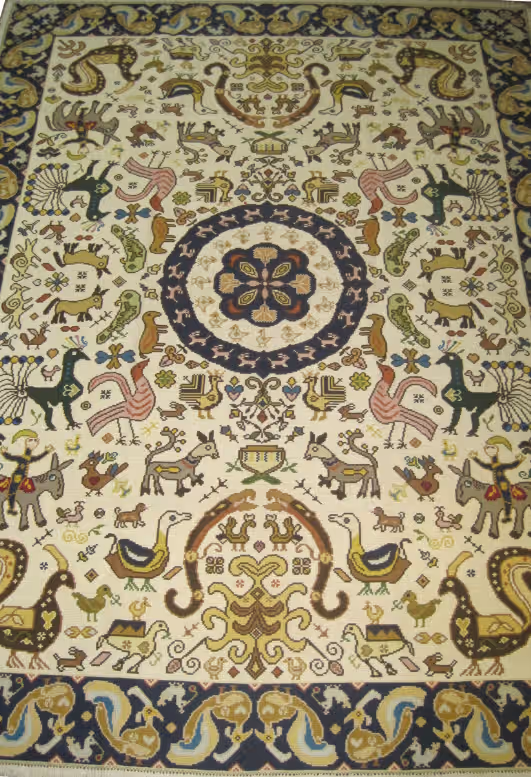
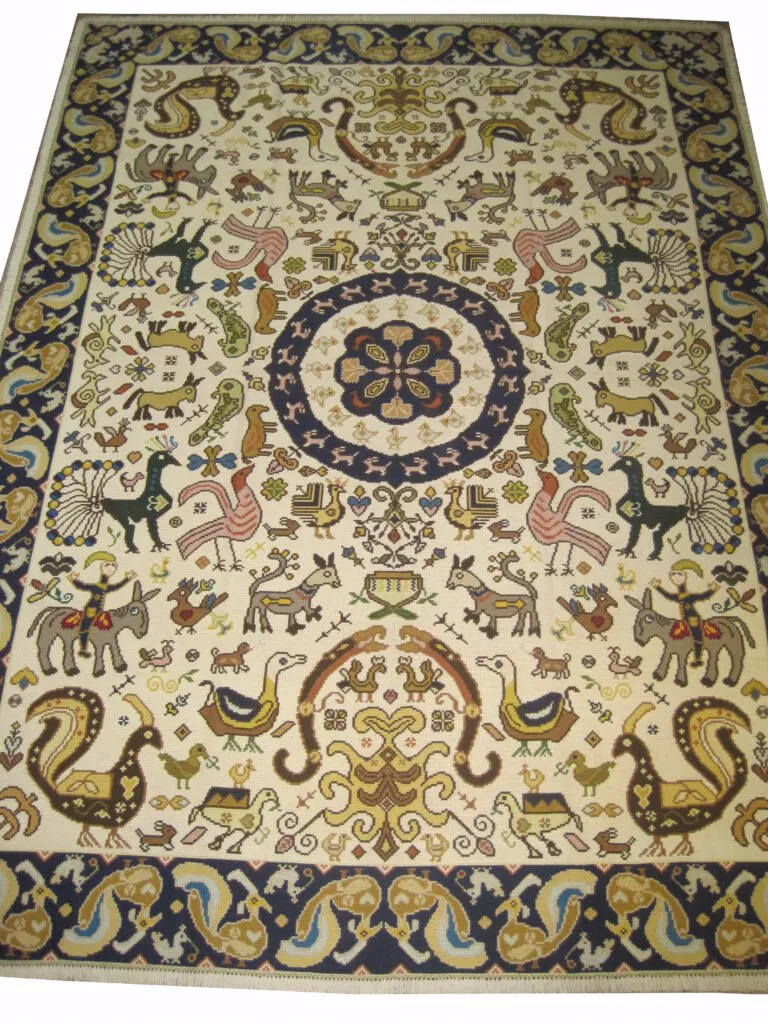
European Rugs – Elegance Woven Through Centuries

When one thinks of luxury and refinement in interior decor, European rugs hold a place of distinction. From the grand tapestries of France to the detailed Baroque designs of Aubusson and Savonnerie, European rugs have long been symbols of taste, artistry, and cultural legacy.

A Legacy of Royal Craftsmanship: The tradition of European rug-making began in earnest during the Middle Ages, with influences from Persian, Turkish, and Moorish carpets brought through trade and conquest. However, Europe quickly developed its own unique styles—most notably in France, England, and Spain—where rugs became both functional floor coverings and elaborate works of art.

Each region of Europe developed its own aesthetic, often shaped by the tastes of the nobility and evolving artistic movements.
  • Aubusson Rugs (France): These flat-woven masterpieces feature floral garlands, classical motifs, and soft pastel tones, often inspired by 17th and 18th-century Rococo and Neoclassical art. Originally made for royal palaces, they now grace refined interiors around the world.
  • Savonnerie Rugs (France): Hand-knotted with wool, these rugs are opulent and richly detailed, with symmetrical designs, medallions, and regal color palettes—originally commissioned by Louis XIV for the Louvre and Versailles.
  • Axminster & Wilton Rugs (England): Known for their durability and intricate patterns, these machine-woven and hand-knotted rugs became staples in Victorian homes. They blend classic motifs with bold color schemes.
  • Spanish Carpets: Influenced by Islamic art during the Moorish period, early Spanish rugs feature stylized geometric patterns and strong colors. Over time, they evolved to include Renaissance and Gothic elements.
Materials and Techniques
European rugs range from flat-woven tapestries to high-pile knotted carpets. Wool is the primary material, often dyed with natural pigments. Some of the finer rugs, especially those made for aristocratic clients, incorporated silk and gold thread.
Pair with elegant décor: These rugs often complement antique furniture, gilded frames, and soft lighting.
European rugs are more than decorative accents—they are heirlooms, cultural treasures, and artistic statements. With their blend of history, craftsmanship, and elegance, they bring an old-world charm and timeless beauty into any home or space.

When one thinks of luxury and refinement in interior decor, European rugs hold a place of distinction. From the grand tapestries of France to the detailed Baroque designs of Aubusson and Savonnerie, European rugs have long been symbols of taste, artistry, and cultural legacy.


A Legacy of Royal Craftsmanship: The tradition of European rug-making began in earnest during the Middle Ages, with influences from Persian, Turkish, and Moorish carpets brought through trade and conquest. However, Europe quickly developed its own unique styles—most notably in France, England, and Spain—where rugs became both functional floor coverings and elaborate works of art.


Each region of Europe developed its own aesthetic, often shaped by the tastes of the nobility and evolving artistic movements.

  • Aubusson Rugs (France): These flat-woven masterpieces feature floral garlands, classical motifs, and soft pastel tones, often inspired by 17th and 18th-century Rococo and Neoclassical art. Originally made for royal palaces, they now grace refined interiors around the world.
  • Savonnerie Rugs (France): Hand-knotted with wool, these rugs are opulent and richly detailed, with symmetrical designs, medallions, and regal color palettes—originally commissioned by Louis XIV for the Louvre and Versailles.
  • Axminster & Wilton Rugs (England): Known for their durability and intricate patterns, these machine-woven and hand-knotted rugs became staples in Victorian homes. They blend classic motifs with bold color schemes.
  • Spanish Carpets: Influenced by Islamic art during the Moorish period, early Spanish rugs feature stylized geometric patterns and strong colors. Over time, they evolved to include Renaissance and Gothic elements.
  • Materials and Techniques:European rugs range from flat-woven tapestries to high-pile knotted carpets. Wool is the primary material, often dyed with natural pigments. Some of the finer rugs, especially those made for aristocratic clients, incorporated silk and gold thread.
    Pair with elegant décor: These rugs often complement antique furniture, gilded frames, and soft lighting.

European rugs are more than decorative accents—they are heirlooms, cultural treasures, and artistic statements. With their blend of history, craftsmanship, and elegance, they bring an old-world charm and timeless beauty into any home or space.

Leave a Reply

Your email address will not be published. Required fields are marked *